
Colon cancer and Laparoscopic Surgery
January 30, 2026 –
 Ernesto Escobar, MD
The diagnosis of colon cancer can be impactful; however, medicine has advanced to the point that we now have highly precise tools both for early detection and for treatment, allowing for an astonishingly rapid recovery.
Colonoscopy
Many people fear it, but the reality is that colonoscopy is a life-saving examination. It is not only a screening test; in many cases, it is a preventive cure.
What is it? A brief procedure performed under sedation in which a specialist examines the inside of the colon.
The superpower of screening: During the procedure, the physician can identify and remove polyps (small growths that are not yet cancerous). By removing them, we eliminate the possibility that they will develop into a tumor in the future.
When should you start? The general recommendation is to begin at 45 years of age, or earlier if you have a family history.
-Ernesto Escobar, MD performing laparoscopic surgery.
Laparoscopic Surgery
If a cancer diagnosis is confirmed, surgery is usually the cornerstone of treatment. The days of large incisions requiring weeks of hospitalization are long gone. Laparoscopy is the current gold standard.
What does it involve?
Instead of opening the abdomen, the surgeon makes three to four small incisions (approximately 5 to 10 mm in size). Through these incisions, a high-definition camera and specialized instruments are introduced to remove the affected section of the colon.
Main Advantages
Less pain: Because there is no large incision through the abdominal muscles, postoperative pain is significantly reduced.
Rapid recovery: Patients usually begin walking the same day or the following day and are discharged home much sooner.
Minimal scarring: An aesthetic benefit, but also a functional one, as there is a lower risk of future hernias.
Precision: The camera allows visualization of tissues with magnification beyond what the human eye can see unaided.
-Ernesto Escobar, MD performing laparoscopic surgery.
What to Expect After Surgery?
The prognosis of colon cancer is among the most favorable in the field of oncology, especially when it is detected at an early stage.
Oncologic outcomes: Laparoscopic surgery is just as effective as open surgery for cancer removal; safety is not compromised for cosmetic benefits.
Quality of life: Most patients return to their usual diet and normal activities within a few weeks.
Follow-up: After surgery, the medical team will determine whether adjuvant (preventive) chemotherapy is necessary and will schedule follow-up colonoscopies to ensure ongoing disease control.
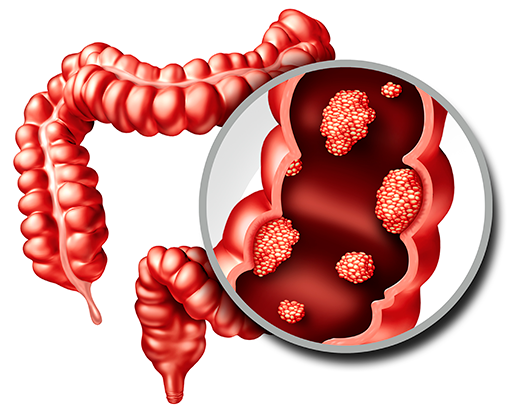
Fear of the examination is often worse than the examination itself. Early detection turns a serious problem into a manageable condition.